


J1 10W RGB DJ Laser Lights Club DJ Equipment Stage Lighting
Regular price
$2,000.00
Sale price
$2,000.00
Regular price
Unit price


J3 ILDA DMX Animation Laser Projector 30W for Stage Events
Regular price
$6,560.00
Sale price
$6,560.00
Regular price
Unit price
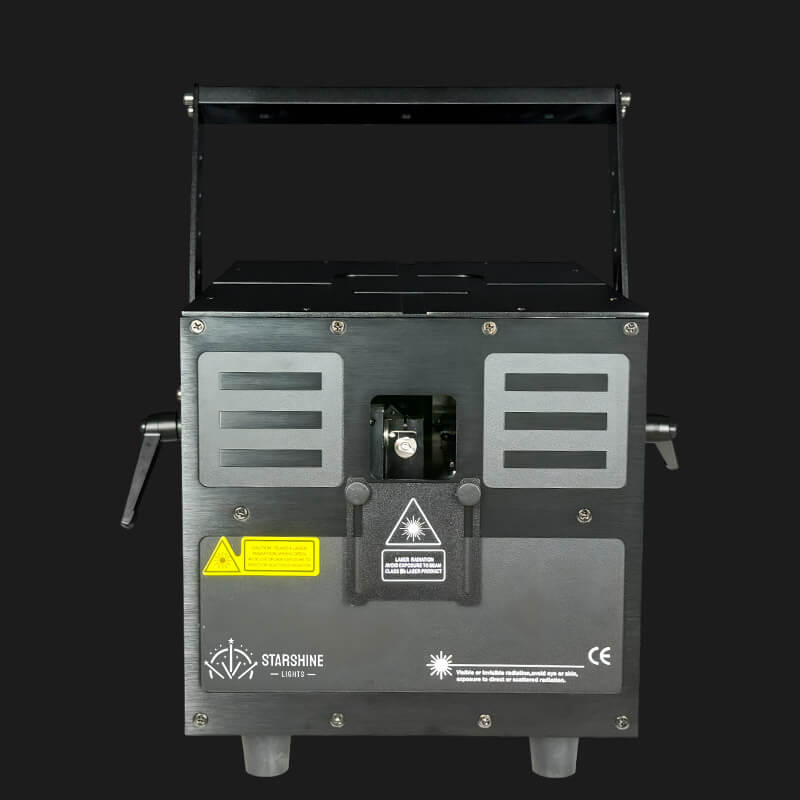
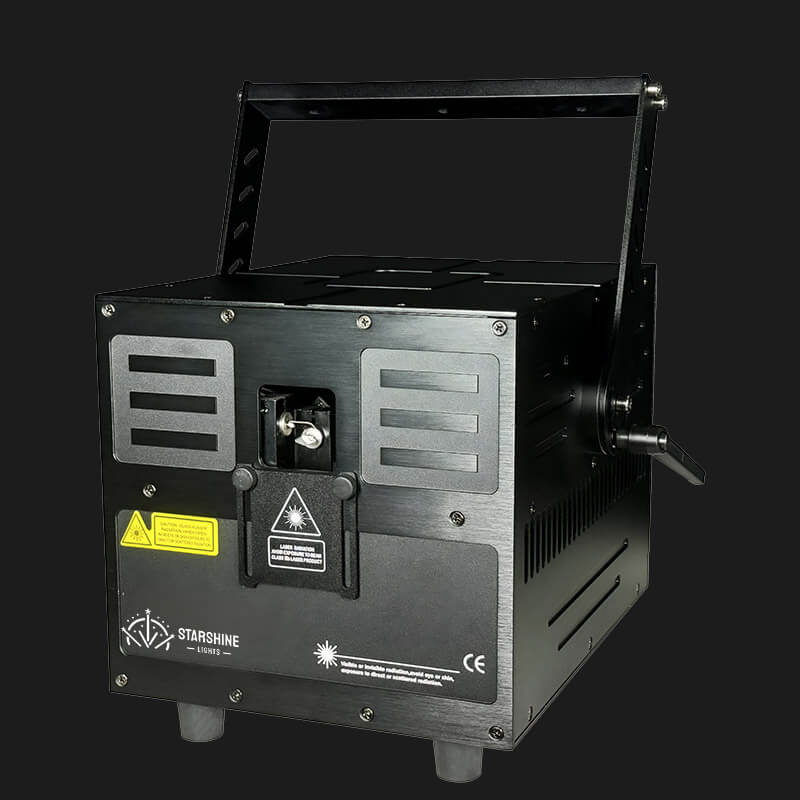
Z1 10W APP Control Laser Light for Sky Shows & Animation
Regular price
$1,095.00
Sale price
$1,095.00
Regular price
Unit price


Z8 ILDA DMX RGB Laser Projector 10W-20W for DJ Club Shows
Regular price
$2,500.00
Sale price
$2,500.00
Regular price
Unit price


O3 DMX ILDA Outdoor Laser Light Projector 15W/20W IP65 for Events
Regular price
$3,100.00
Sale price
$3,100.00
Regular price
Unit price


J2 ILDA DMX Animated Laser Projector 20W RGB for Clubs
Regular price
$2,700.00
Sale price
$2,700.00
Regular price
Unit price


J1 Pro FB4 RGB Laser Projector 10W/15W | 40K DMX Laser Lights
Regular price
$2,100.00
Sale price
$2,100.00
Regular price
Unit price
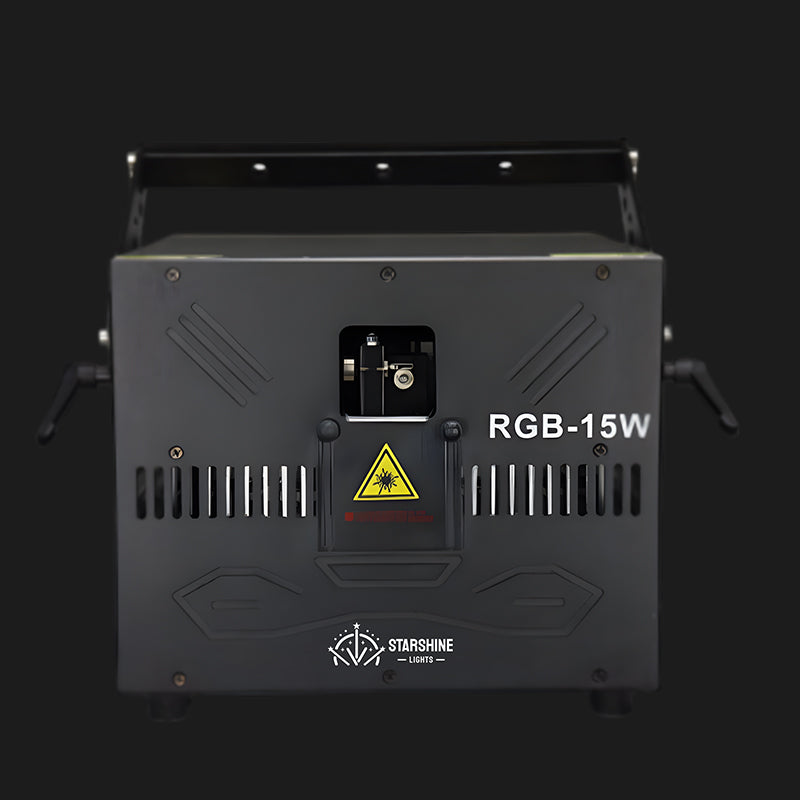
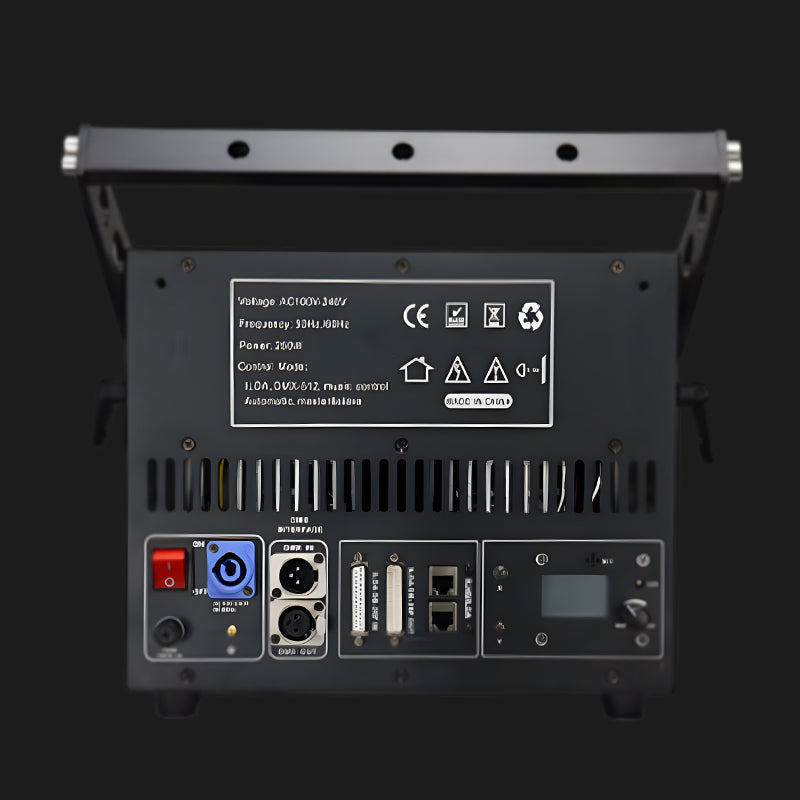
Z7 DMX/ILDA RGB DJ Laser Light 15W 30K Scanning for Stage Shows
Regular price
$2,210.00
Sale price
$2,210.00
Regular price
Unit price


DJ Laser Lights J10 8w Rgb Laser Light Projector Club Events
Regular price
$1,050.00
Sale price
$1,050.00
Regular price
Unit price
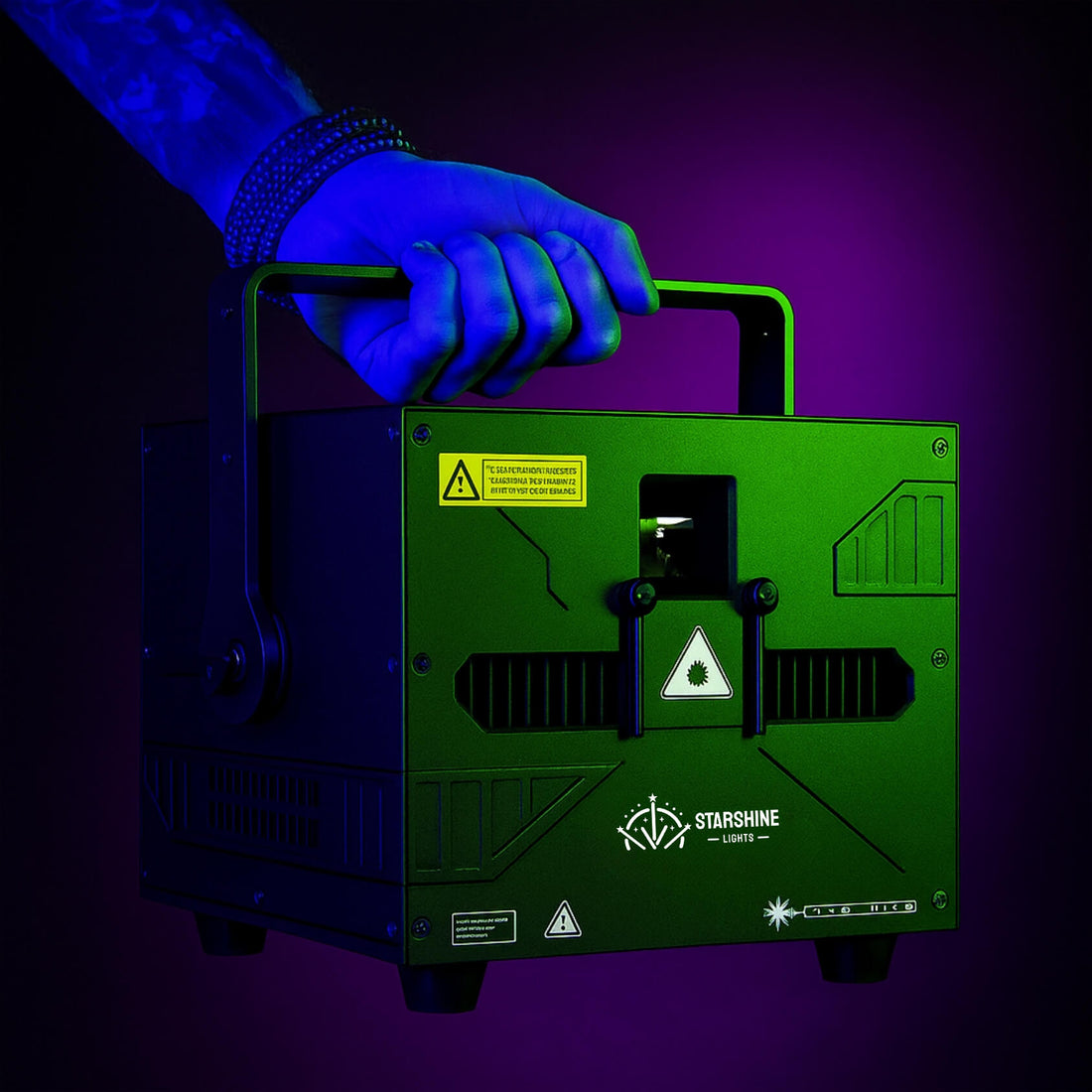
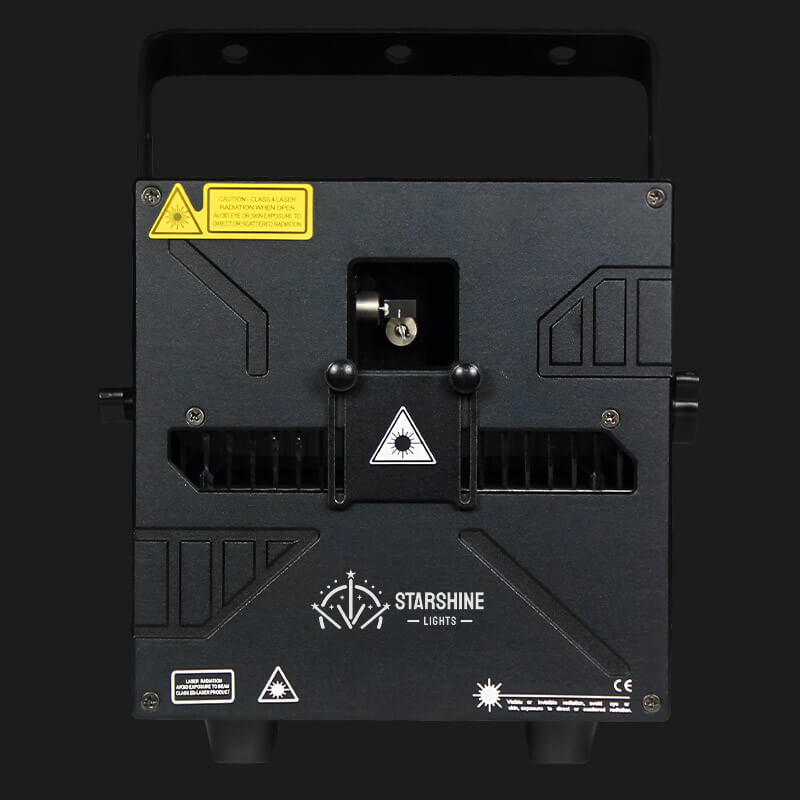
J5 5W Full-Color Laser Light Bluetooth APP Control Nichia Source
Regular price
$560.00
Sale price
$560.00
Regular price
Unit price


J4 30K DMX/ILDA RGB Laser Projector 10W/20W/30W for DJ Club
Regular price
$1,120.00
Sale price
$1,120.00
Regular price
Unit price


T4 TTL DMX RGB Laser Light 10W 30Kpps for DJ Club Stage
Regular price
$1,590.00
Sale price
$1,590.00
Regular price
Unit price
Sort by
- Featured
- Most relevant
- Best selling
- Alphabetically, A-Z
- Alphabetically, Z-A
- Price, low to high
- Price, high to low
- Date, old to new
- Date, new to old
FAQ
Q: What is an animation laser projector used for?
A:An animation laser projector is designed for projecting animated graphics, beam effects, text, and creative visuals in live events, clubs, theaters, and branded shows. It is a popular choice when clients need laser animation projector performance with sharper graphic output than a basic party laser.
Q: Can these laser projectors do laser logo projection?
A:Yes. Many products in this category are suitable for laser logo projection, branded event visuals, and custom text or graphic displays. A professional laser logo projector is often used for product launches, corporate activations, retail events, and promotional shows where clear projected branding matters.
Q: What is laser projection mapping?
A:Laser projection mapping is a technique that uses a laser projector to trace, highlight, or animate the edges and surfaces of a building, stage set, object, or structure. It is often used to create architectural outlines, 3D-style effects, and precision visual accents in stage design and event production.
Q: What is the difference between laser animation and laser mapping?
A:Laser animation usually focuses on projected graphics, text, symbols, logos, and moving visual content, while laser mapping is more about fitting those visuals to a surface, object, or structure with precision. In practice, many professional systems combine both laser animation projector effects and laser projection mapping capability in the same workflow.
Q: Are these laser projectors good for text, graphics, and logos?
A:Yes. This category is ideal for applications that require text, graphics, logos, and mapping, especially when paired with the right control method and content setup. Similar professional laser collections also emphasize these uses because they are among the most common needs for animation and branding-based laser shows.
Q: What control options are best for a laser animation projector?
A:For professional programming, buyers typically look for ILDA control, DMX control, Art-Net control, or FB4-based workflow depending on how advanced the show needs to be. Your collection page already highlights DMX, ILDA, Art-Net, MIDI, Wi-Fi/App Control, and Master/Slave Mode, which makes this category suitable for both simpler setups and more advanced laser animation projector programming.
Q: How do I choose the right laser projector for animation and mapping?
A:The best choice depends on venue size, projection distance, required brightness, scanner performance, and whether the project is mainly for laser logo projection, full-color graphics, or laser projection mapping. For smaller indoor venues, a lower-power RGB laser projector may be enough, while larger stage and mapping projects often need higher power and more precise control.
Q: Can these projectors be used for building projection and façade visuals?
A:Yes. A laser mapping projector can be used for building outlines, façade visuals, scenic projection accents, and structure-based highlighting, as long as the projector power, scan angle, control system, and projection surface are appropriate for the project. Similar industry pages often position this type of laser system for architectural and object-based mapping work.
Q: Are animation laser projectors only for indoor use?
A:Not always. Some laser animation projectors are intended mainly for indoor use, while others can support small outdoor events or fixed-installation applications when the housing and site setup are suitable. Your collection includes both non-waterproof and IP65 waterproof filtering options, so buyers can choose a projector based on the actual use environment.
Q: What industries commonly use laser logo projection and mapping?
A:Laser logo projection and laser projection mapping are widely used in corporate events, theater productions, concerts, product launches, architectural lighting, retail promotions, themed attractions, and special event installations. Competitor pages also commonly describe these systems as suitable for clubs, theaters, corporate shows, signage, façade illumination, and multimedia productions.