


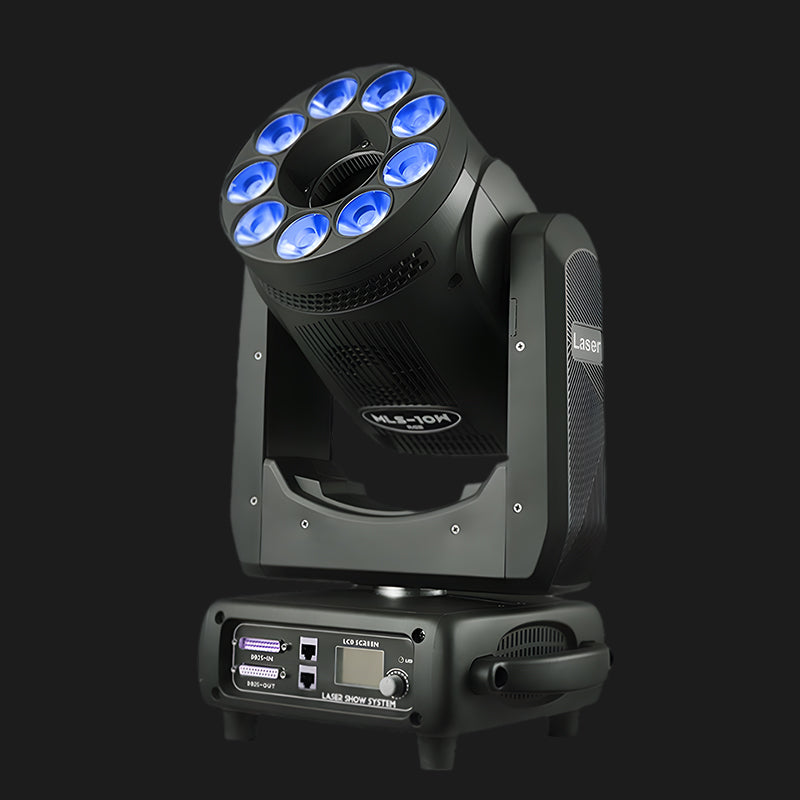
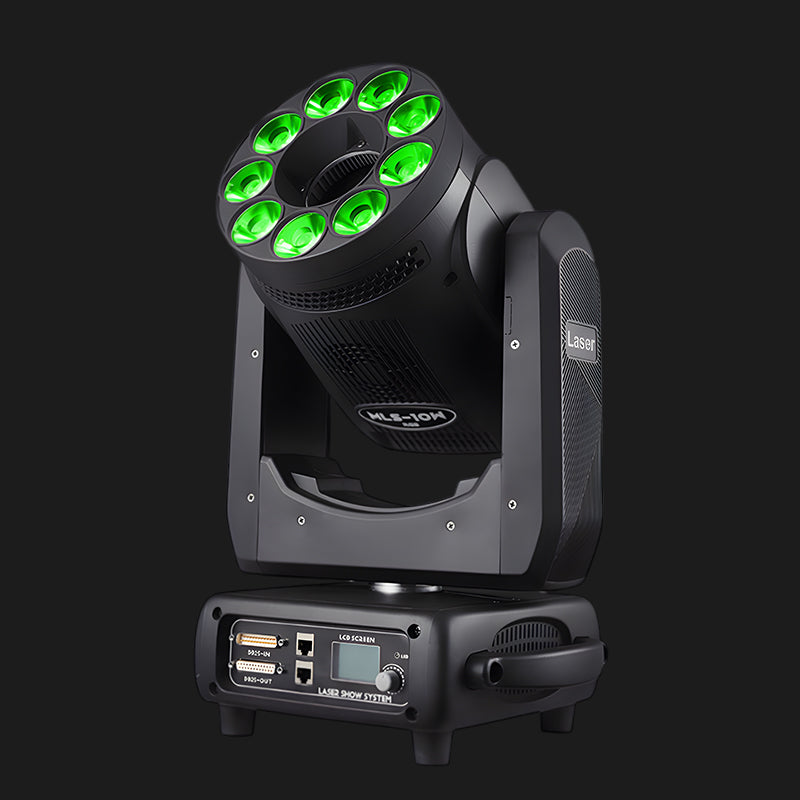
Laser Lights LED Wash Moving Head 5W-10W Club DJ Lights
Regular price
$1,129.00
Sale price
$1,129.00
Regular price
Unit price
Sort by
- Featured
- Most relevant
- Best selling
- Alphabetically, A-Z
- Alphabetically, Z-A
- Price, low to high
- Price, high to low
- Date, old to new
- Date, new to old
FAQ
Q: What is a wash moving head light?
A:A wash moving head light is a moving fixture designed to provide smooth stage wash coverage, soft-edged output, and broad illumination rather than narrow beam projection. It is commonly used when a lighting design needs even color coverage across performers, backdrops, or scenic areas.
Q: What are wash moving heads used for?
A:Wash moving heads are widely used for concerts, theaters, houses of worship, corporate events, exhibitions, and live productions where designers need flexible color coverage across dynamic stage scenes. Comparable product pages position them as versatile fixtures for rentals, installs, touring, theater, concert, exhibition, and corporate-event use.
Q: What makes a wash moving head different from a beam or spot moving head?
A:A moving head wash light is optimized for wide, even illumination and smooth color blending, while beam fixtures are built for tighter aerial shafts and spot fixtures are designed for gobos and sharper projection detail. Recent guides consistently describe wash fixtures as the best option when the goal is broad color coverage instead of concentrated beam effects.
Q: Why are wash moving heads good for stage lighting applications?
A:Wash fixtures are a strong fit for stage lighting applications because they can fill a stage with rich color, create background ambience, and maintain even illumination across performers and scenic elements. Similar professional wash-fixture descriptions highlight their value for both broad stage coverage and flexible design work in live environments.
Q: What kind of color mixing do wash moving heads use?
A:Many wash moving head lights use RGBW, RGBWA, or CMY-style color mixing, depending on the fixture design and intended application. Current manufacturer and buying-guide pages repeatedly point to smooth color blending and calibrated color reproduction as key reasons buyers choose wash moving heads for professional use.
Q: Do wash moving heads usually have zoom?
A:Yes. A lot of modern wash moving heads include motorized zoom so the same fixture can move between tighter output and broader stage coverage. Current Martin product information and comparison guides specifically highlight zoom ranges as one of the most useful features for adapting wash lights to different venue sizes and scene needs.
Q: Are wash moving heads good for concerts and live events?
A:Yes. Wash moving heads are commonly used in concerts and live events because they provide fast color changes, moving wash effects, and even illumination across dynamic stage scenes. Comparable manufacturer and reseller pages describe them as practical workhorse fixtures for live production, touring, and event environments.
Q: Can wash moving heads create beam-style looks too?
A:Some can. Certain moving head wash lights with narrower zoom ranges can also create more focused looks in addition to broad wash coverage, although their main strength is still soft, even illumination and rich color mixing. Current Martin materials specifically describe wash fixtures that can deliver both fill and more focused effects through zoom flexibility.
Q: What should I consider when choosing a wash moving head light?
A:When choosing a wash moving head light, it helps to look at color system, zoom range, brightness, control compatibility, venue size, and whether the fixture is mainly for touring, installation, or temporary event use. Recent buying guides also emphasize matching the light to the scale of the production and the type of scenes you want to cover.
Q: Are wash moving heads only for indoor use?
A:Not always, but many wash moving heads are designed primarily for indoor stage environments unless they are specifically built for outdoor conditions. Current manufacturer pages clearly label indoor-rated models, so for outdoor projects buyers should check environmental rating and intended installation conditions before choosing a fixture.